You've spent months planning your conference. The venue is booked, the speakers are confirmed, the agenda is set. The last thing you want is to hire a photographer who shows up late, misses the keynote, and delivers blurry images two weeks after the event when your marketing window has already closed.
Finding the right conference photographer in the Inland Empire — or anywhere — comes down to asking the right questions before you sign anything. Here's what actually matters.
What Makes Conference Photography Different
Conference photography isn't the same as wedding photography or portrait work. It requires a completely different skill set.
A conference photographer needs to work in variable lighting — from dark ballrooms to bright breakout rooms — without using flash that interrupts speakers or distracts attendees. They need to anticipate moments before they happen: the handshake, the laugh, the standing ovation, the quiet one-on-one between sessions that tells the real story of the day.
They also need to be invisible. A photographer who moves through a crowd confidently and quietly is worth their weight in gold. One who bumps into chairs, interrupts panelists, or asks attendees to pose during networking kills the energy of your event.
The Questions You Should Ask Before You Book
1. Can I see full galleries from past conferences — not just highlight images?
A highlight reel only shows the best three or four shots. A full gallery shows you consistency. Can they shoot a room that's half-lit and still deliver usable images? Can they cover five hours without running out of ideas? Full galleries tell you the truth.
2. What's your turnaround time?
Your marketing team needs images to post recaps, email attendees, and update the website while the event is still fresh. A photographer who delivers in three to four weeks is almost useless to your marketing cycle. At Anchor Point Visuals, we deliver a 48-hour preview gallery after every event — always.
3. Are you familiar with event photography lighting?
Conference venues — hotel ballrooms, convention centers, corporate auditoriums — are notoriously difficult to shoot in. Ask specifically whether they shoot in manual mode and how they handle mixed lighting environments. If they hesitate on this question, keep looking.
4. What do you actually deliver?
Find out exactly what's included: how many edited images, what file sizes, what format, how they're delivered, and whether you have commercial usage rights to use the images on your website, social media, annual report, and marketing materials. These should never be assumptions.
5. Have you worked events of this size before?
A 50-person association lunch and a 500-person conference require different approaches. Make sure they've handled your scale.
What Great Conference Photography Actually Looks Like
The images that matter most to your marketing team aren't always the ones you'd expect.
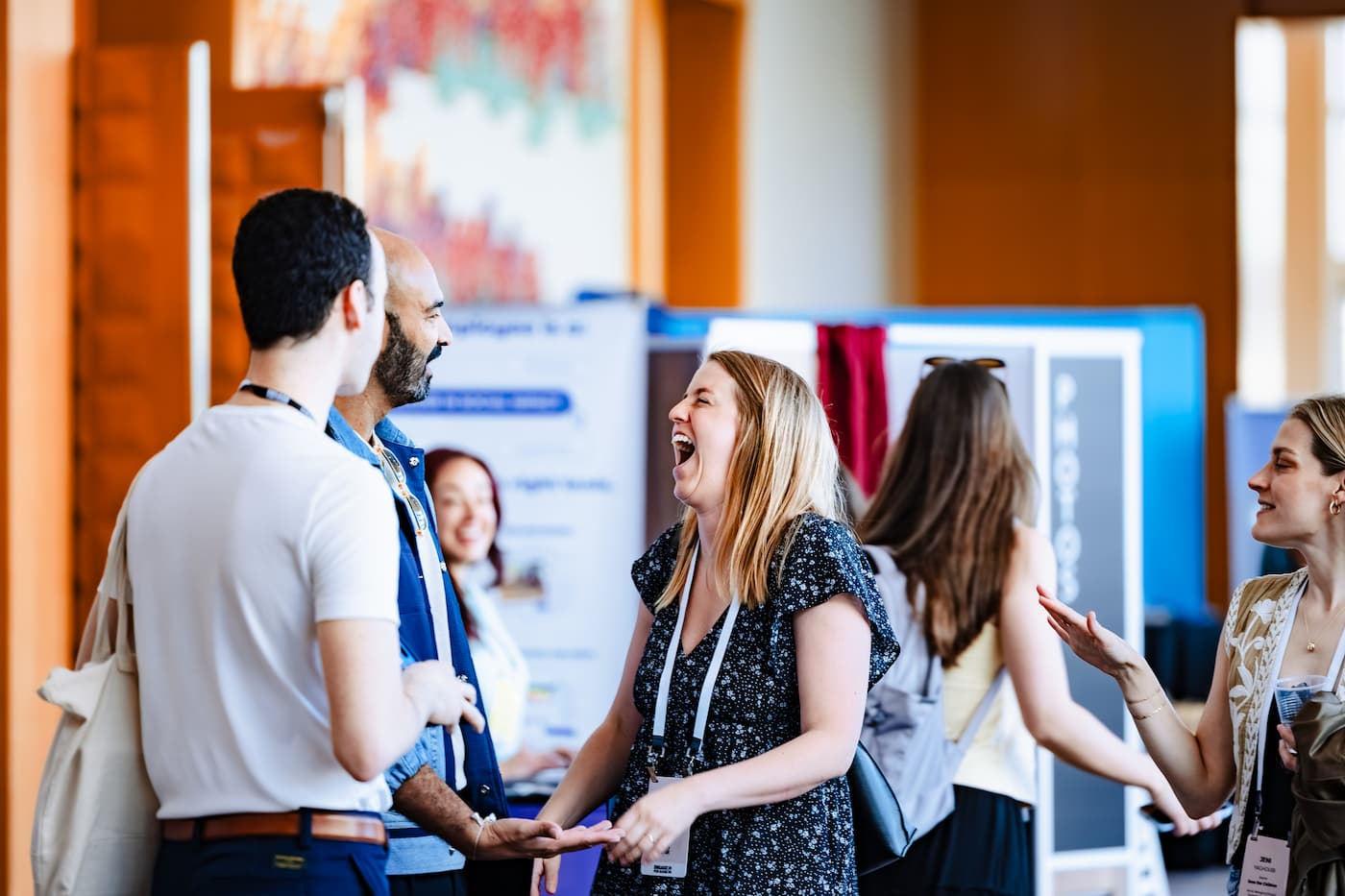
Yes — speaker photography matters. Capturing your keynote in a strong moment, mid-gesture, connecting with the audience — that's essential. But some of the most-used conference images are the candid ones: two attendees laughing over coffee, a panel discussion with engaged faces in the audience, a registration desk buzzing with energy, a sponsor's banner in the background of a networking moment.
Those images tell the story of a conference worth attending. And they're what drives registration for next year.
Pro tip: Ask to see images from the networking portions of past events — not just the stage shots. If a photographer's candid work is weak, their event coverage will feel flat no matter how good the keynote photos are.
Why Local Experience Matters
When you hire a conference photographer in the Inland Empire, local experience matters more than you'd think. Familiarity with venues like the Ontario Convention Center, the Riverside Convention Center, and hotel conference spaces across Rancho Cucamonga, Temecula, and San Bernardino means no ramp-up time, no parking confusion, and no surprises on shoot day.
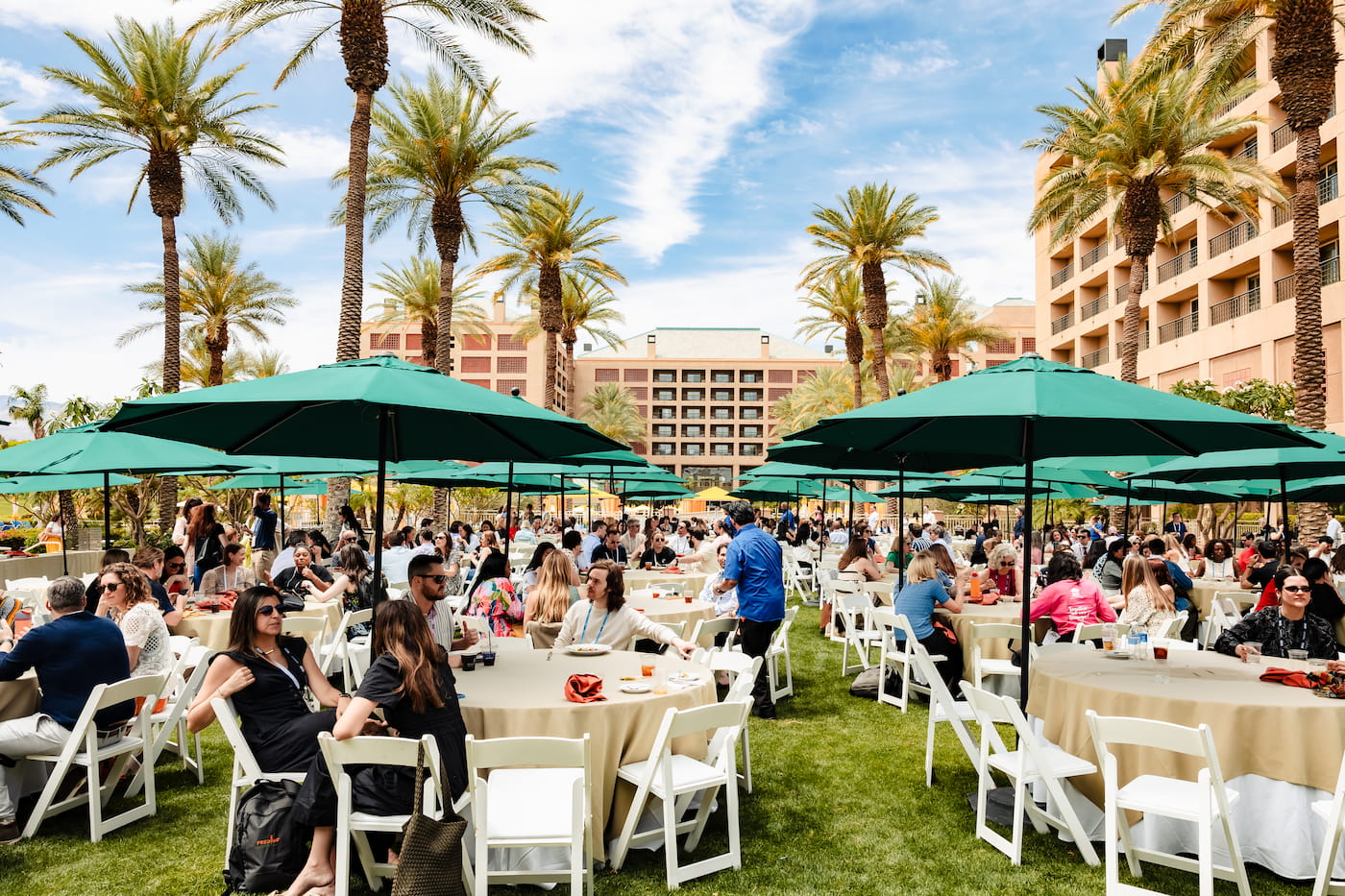
Anchor Point Visuals is based in Moreno Valley — right in the heart of Riverside County. We've covered professional events including the EFG Conference in Palm Springs, the Halo Awards ceremony, the NAB Show, and association events across Southern California. We show up early, communicate before and after, and deliver images your marketing team can actually use — fast.
What Conference Photography Costs in the Inland Empire
Professional conference photography in the Inland Empire and Southern California generally runs:
- Half-day coverage (up to 4 hours): $1,200–$1,600
- Full-day coverage (up to 8 hours): $2,000–$2,800
- Multi-day conferences: $3,000–$5,000+ depending on scope
Be cautious of pricing significantly below these ranges. Conference photography requires specific skills that take years to develop. The cost of mediocre event photos is measured in the marketing value you never get from them.
Ready to talk about your conference?
Free 15-minute scoping call. No pressure, no obligation. We'll talk through exactly what your event needs.
Book Your Free Call →